Forbes recently released its second-annual list of America’s Top 200 Residential Architects, showcasing the top talent from across the country, which includes three Minnesota firms: Alchemy Architects, PKA Architecture, and PLAAD.
The list seeks to highlight the impact architects have on the home design industry—while, according to Forbes, less than 2% of the nearly 1 million houses built each year in the U.S. are custom-designed by architects, these residences often demonstrate aesthetic, technological, and environmental advances compared to their mass-market counterparts.
This list focuses only on quality, unlike Forbes’ companion list of America’s Best-In-State Residential Architects, which emphasizes geography. For 2026, this means that a large chunk of the honored firms are located in California, New York, and Texas, with an additional 38 states and the District of Columbia represented as well—including Minnesota.
Midwest Design spoke with the three honored firms to hear their thoughts on the recognition and what they find most meaningful about it.
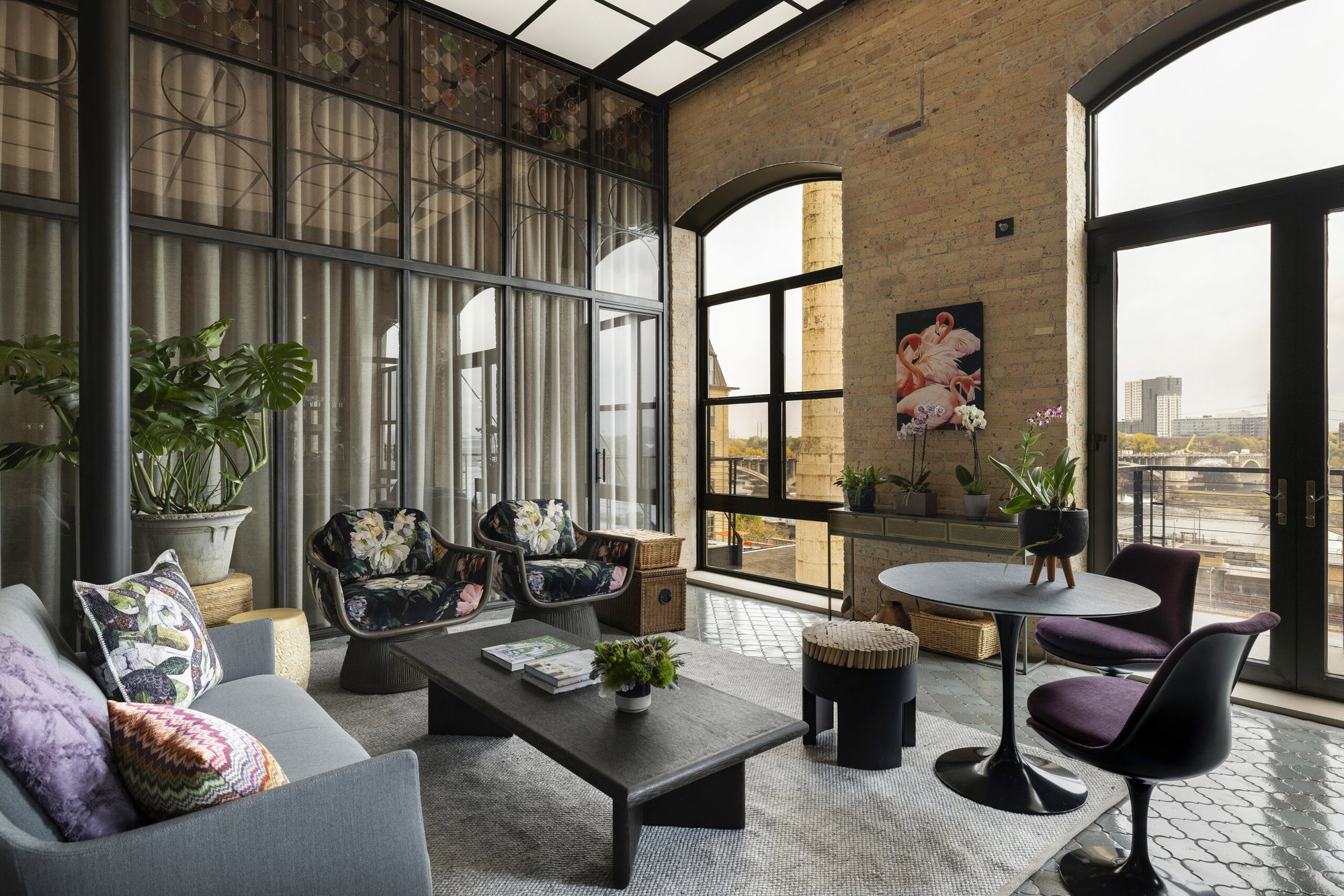
Spacecrafting
“We are incredibly proud to see PKA Architecture recognized by Forbes as one of 200 architecture firms nationwide,” says Kristine Anderson, design principal and partner at PKA Architecture. “This recognition is meaningful as it reflects the thoughtful work, dedication, and collaboration our team brings to each project. We are grateful to our clients, the collaborators, builders, and partners who place trust in us and the creative work that is personal and enduring. We are honored to be included among an inspiring group of design firms.”
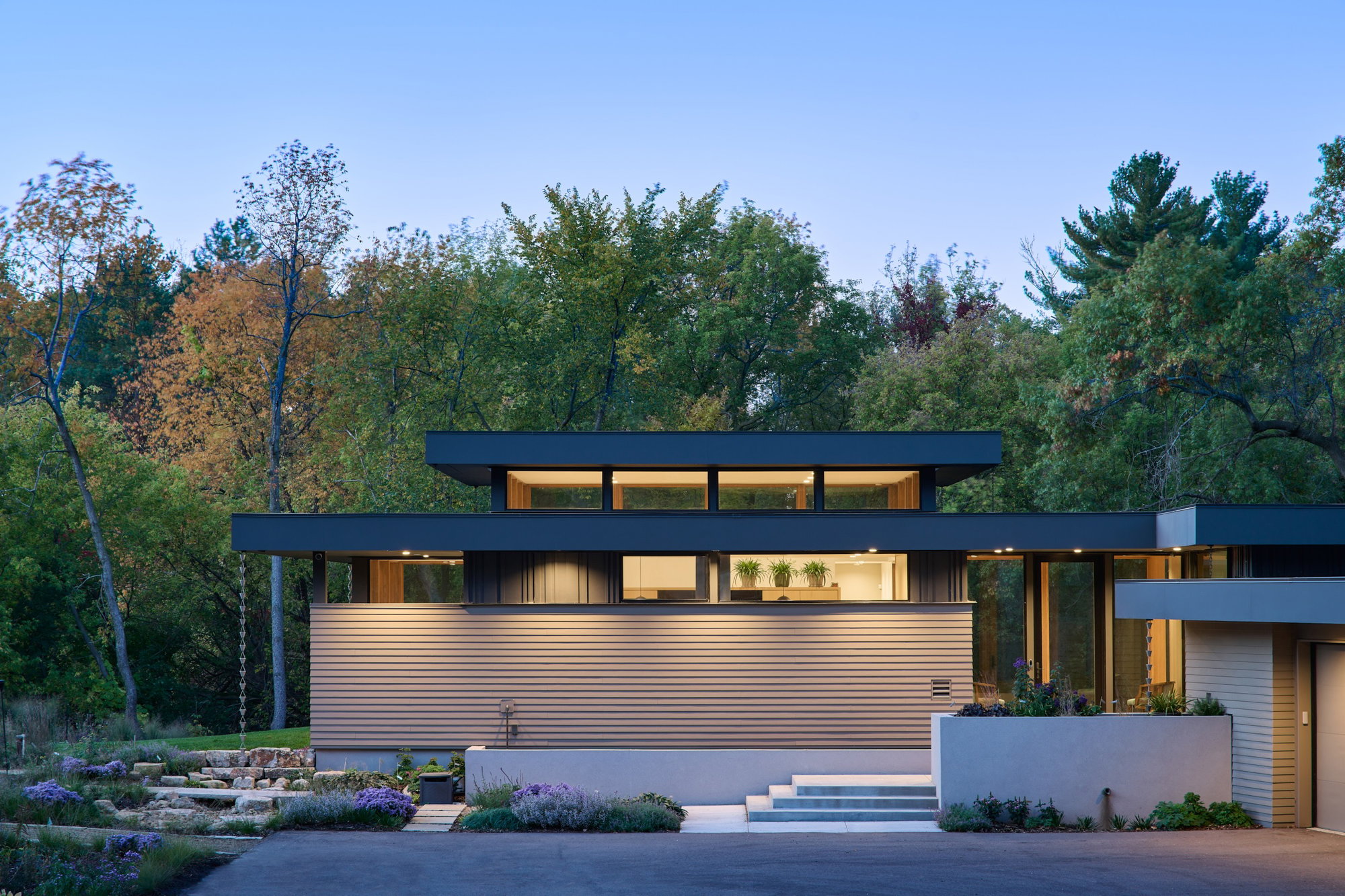
VONDELINDE
The PLAAD team shares, “We’re honored that PLAAD has been named to Forbes’ list of America’s Top 200 Residential Architects for 2026, as well as its list of Best-In-State Residential Architects in Minnesota 2026. It’s a privilege to be recognized alongside so many distinguished firms from across the country. Minnesota has a rich legacy of art and design, and we’re grateful to practice among such talented colleagues here at home. These distinctions would not be possible without our incredible clients and the trusted partners who help bring our visions to life.”
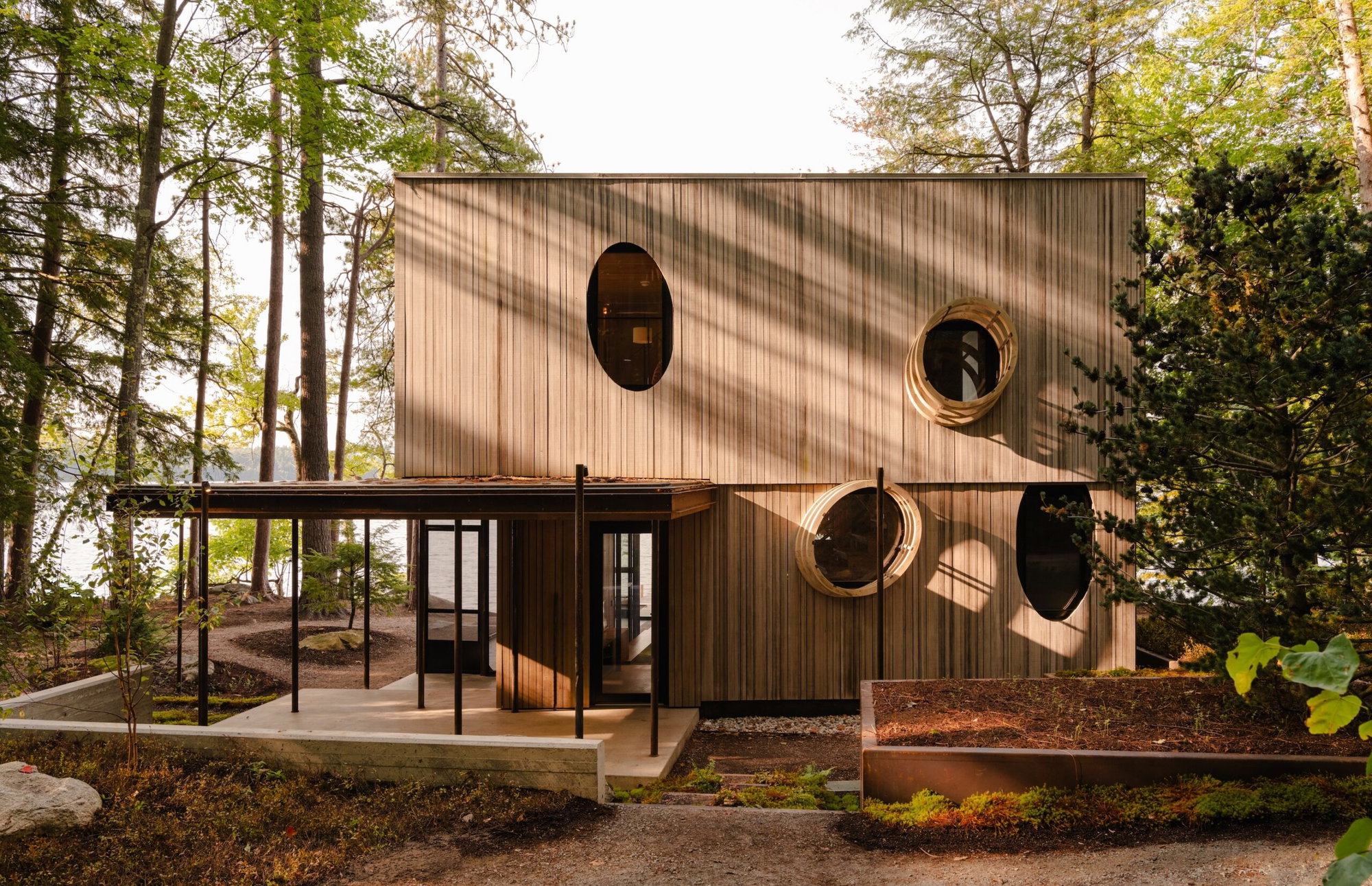
Brian W. Ferry
Geoffrey Warner, principal architect at Alchemy Architects, expresses similar sentiments. “We have been lucky to work with great clients around the country who appreciate the magic of design thinking,” he says. “It is both an honor and a responsibility to be part of projects that seek to lay pathways toward the kind of world we’d like to see. Recognition, and the opportunities to share our work, help us learn from others and build a wider, optimistic community.”
The Methodology
The Forbes team considered more than 18,000 candidates when putting this list together, inviting more than 750 of them to submit projects for additional evaluation. Candidates included both firms that were recognized on the 2025 iteration of these lists as well as new applicants, with the former asked to submit a single “exemplary” project completed since 2021. All submissions were assessed by Forbes editors, alongside an advisory board comprising leading authorities in the field, in the following categories:
- Siting and local context: Considers the home’s relationship with the surrounding natural landscape, its solar orientation, and how its adapted to sea level rise and flood risk
- Architectural form and detailing: Evaluates how the home honors its cultural and environmental context, as well as how its structural principals are expressed
- Building materials and craft: Considers the home’s material selections and applications, expression of consistent architectural detailing, use of locally sourced or repurposed materials, and employment of local artisans
- Spatial configuration: Assesses the home’s layout and circulation, its indoor-outdoor relationship, and flexibility
- HVAC and tech: Analyzes passive solar and natural ventilation, smart home systems, use of architectural shading devices, and whether the home is electric-dominant
- Physical and psychology effects: Evaluates the home’s sound reduction strategies, immersive and soothing environments, and how it harnesses natural light
- Environmental considerations: Assesses the home’s green infrastructure, environmental responsibility, and ability to withstand extreme climate conditions
To view the full list from Forbes, visit forbes.com.
|
|
|