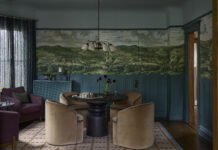
Walk into a beautifully designed room, and something immediately captures your attention. It might be the quality of light, an unexpected architectural detail, or the interplay of materials and textures. It’s often difficult to pinpoint exactly what makes the space so compelling. The secret lies in how these elements work together.
At Stone Design Associates, we look beyond individual furnishings and finishes to consider the room as a whole. Every space presents different possibilities, but certain design principles consistently elevate an interior from simply attractive to genuinely interesting.
1. Let Lighting Set the Mood
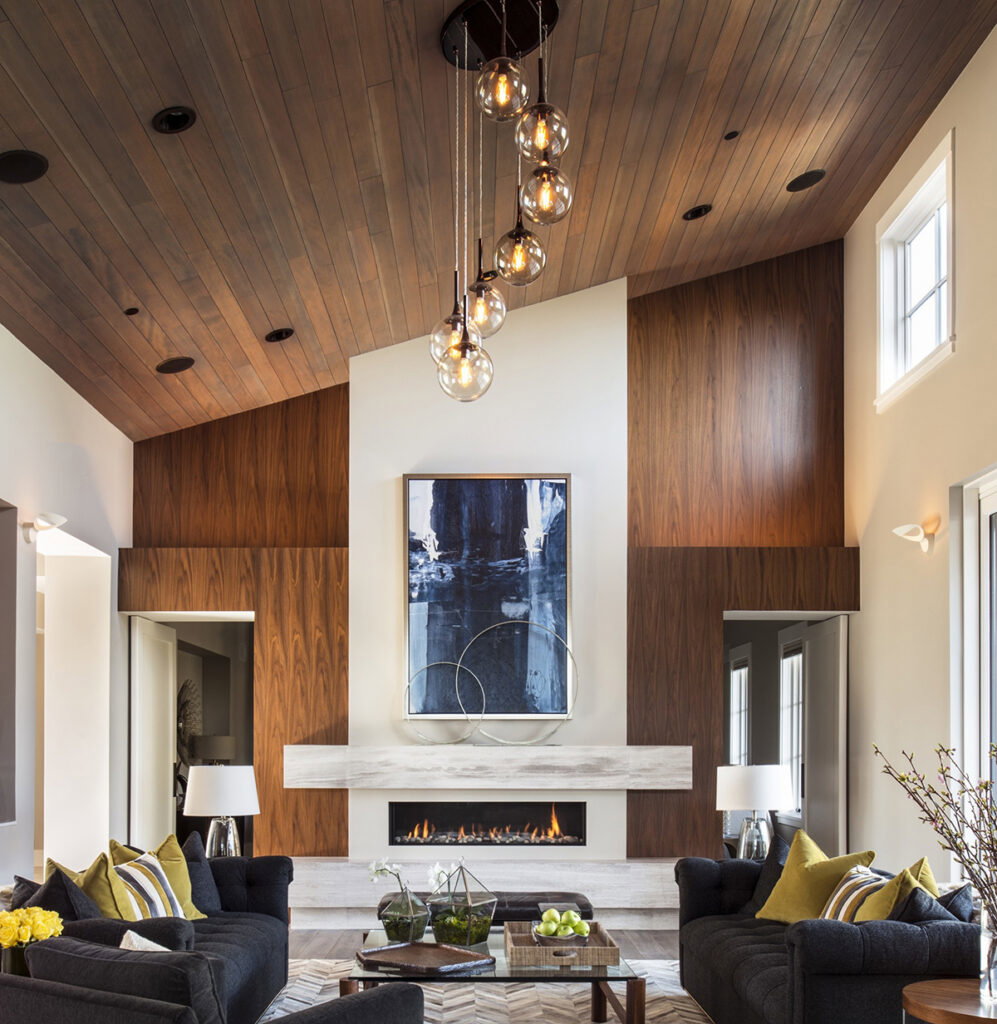
Lighting is one of the most transformative elements in interior design. Natural light brings a room to life, while layered ambient, task, and accent lighting create depth and atmosphere. A sculptural fixture can serve as a focal point, while subtle illumination highlights architectural details or the texture of a beautiful material. The goal is a room that feels as inviting in the evening as it does during the day.
2. Layer Materials and Textures
Some of the most sophisticated interiors rely on texture rather than color to create interest. Think smooth stone against richly grained wood, the softness of velvet paired with nubby wool, or polished metal against organic materials. Mixing finishes, fabrics, and surfaces adds dimension and warmth, allowing even a restrained palette to feel rich and inviting. The key is balancing contrasts rather than making everything match.
3. Look Up: The Fifth Wall Matters
Ceilings are often overlooked, yet they offer an opportunity to introduce architectural character. Exposed beams, coffered details, wood treatments, wallcovering, or a subtle shift in finish can change the perception of a room. Thoughtful ceiling design draws the eye upward, enhances proportion, and strengthens the connection between architecture and interiors.
4. Give the Eye Somewhere to Land
Every room benefits from a visual anchor. It might be a dramatic fireplace, a dimensional feature wall, a striking piece of art, or an expansive view framed by the architecture. A focal point establishes hierarchy, guiding the eye and giving the space a clear identity. Equally important is restraint: allowing one exceptional element to take center stage rather than competing for attention.
5. Make Room for the Unexpected
The most interesting interiors usually include something that breaks from the expected. A vintage piece in a contemporary setting, an unusual material pairing, or a treasured object collected during travels can introduce personality and intrigue. These elements don’t need to follow a particular style or period. Their differences make a room feel more layered, curated, and personal.
Bringing It All Together
The difference between a beautiful room and a truly interesting one often comes down to the relationships between its elements. When lighting, materials, architecture, and furnishings work together with intention, the result is an interior with depth, character, and a point of view all its own.
|
|
|